SW — HM
(Above) Watch a ‘reading’ of the storybook.
Featuring Meghan Corbett (voiceover) and Natalie Stenman (model).
Technology for Response-ability
Wallenberg Studio Thesis
with instructor Dawn Gilpin
Recipient of an award from the juried Wallenberg Symposium
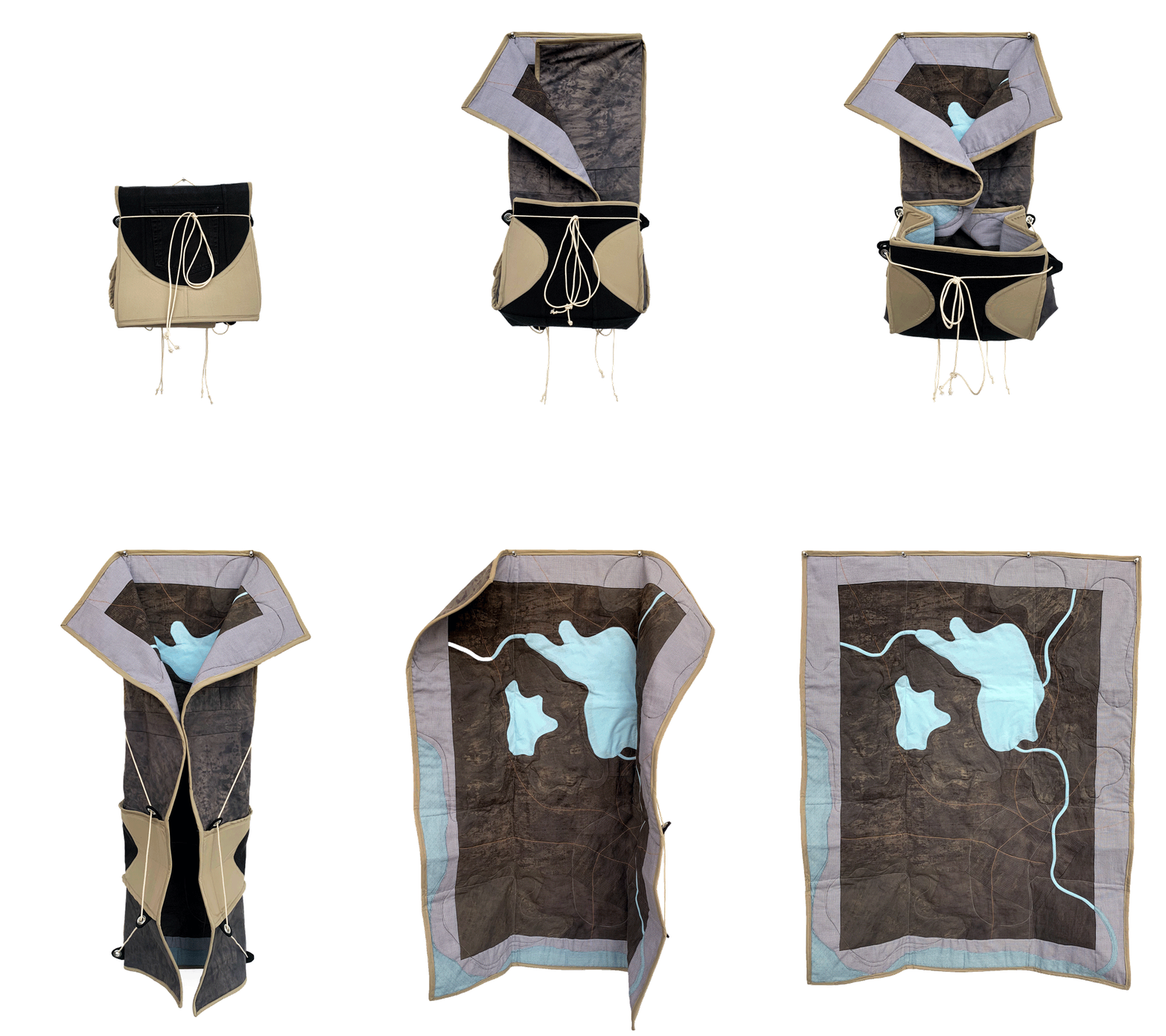
The intentions for this piece of fiction and the quilted carrier bag that it accompanies are twofold: to perpetuate the long tradition of making as an act of care and to inquire how our tools for making can strengthen the bond of mutual response-ability, the entrapment, that we share with those around us, whether human or nonhuman.
Unpacking
the motivations behind the thesis and the making behind the quilted bag.
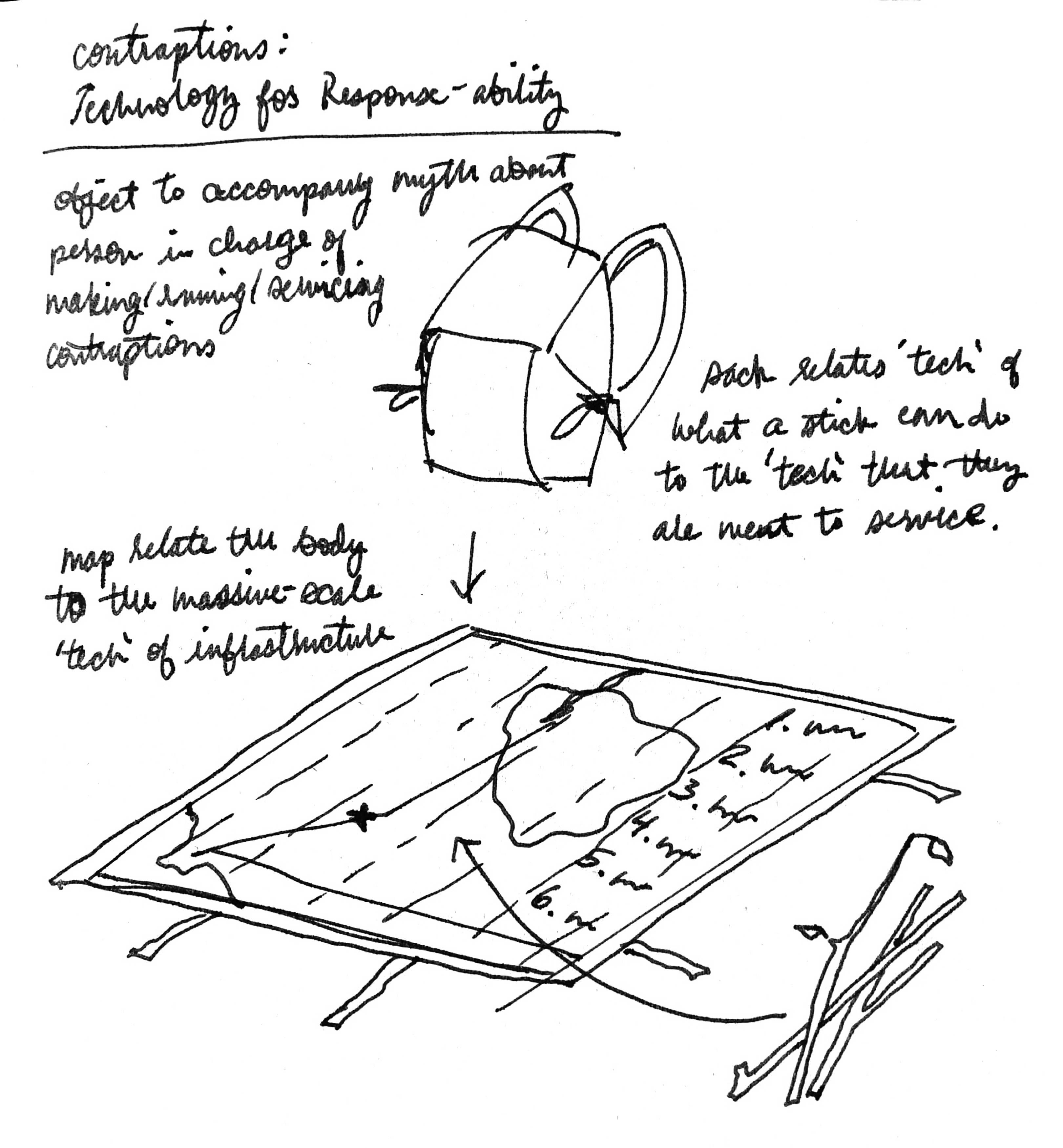
The carrier bag, a call back to Ursula K. Le Guin's "Carrier Bag Theory of Fiction,"
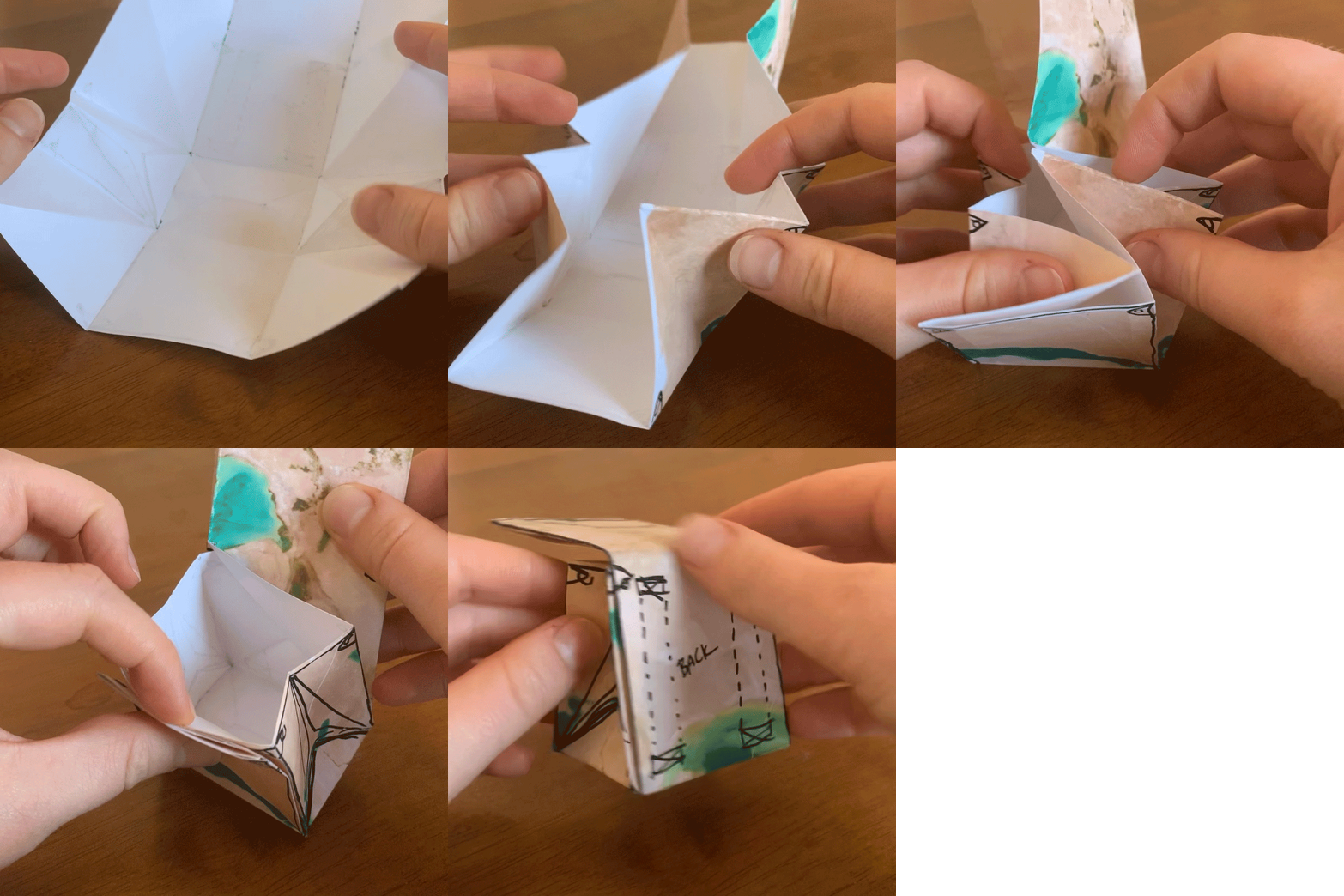
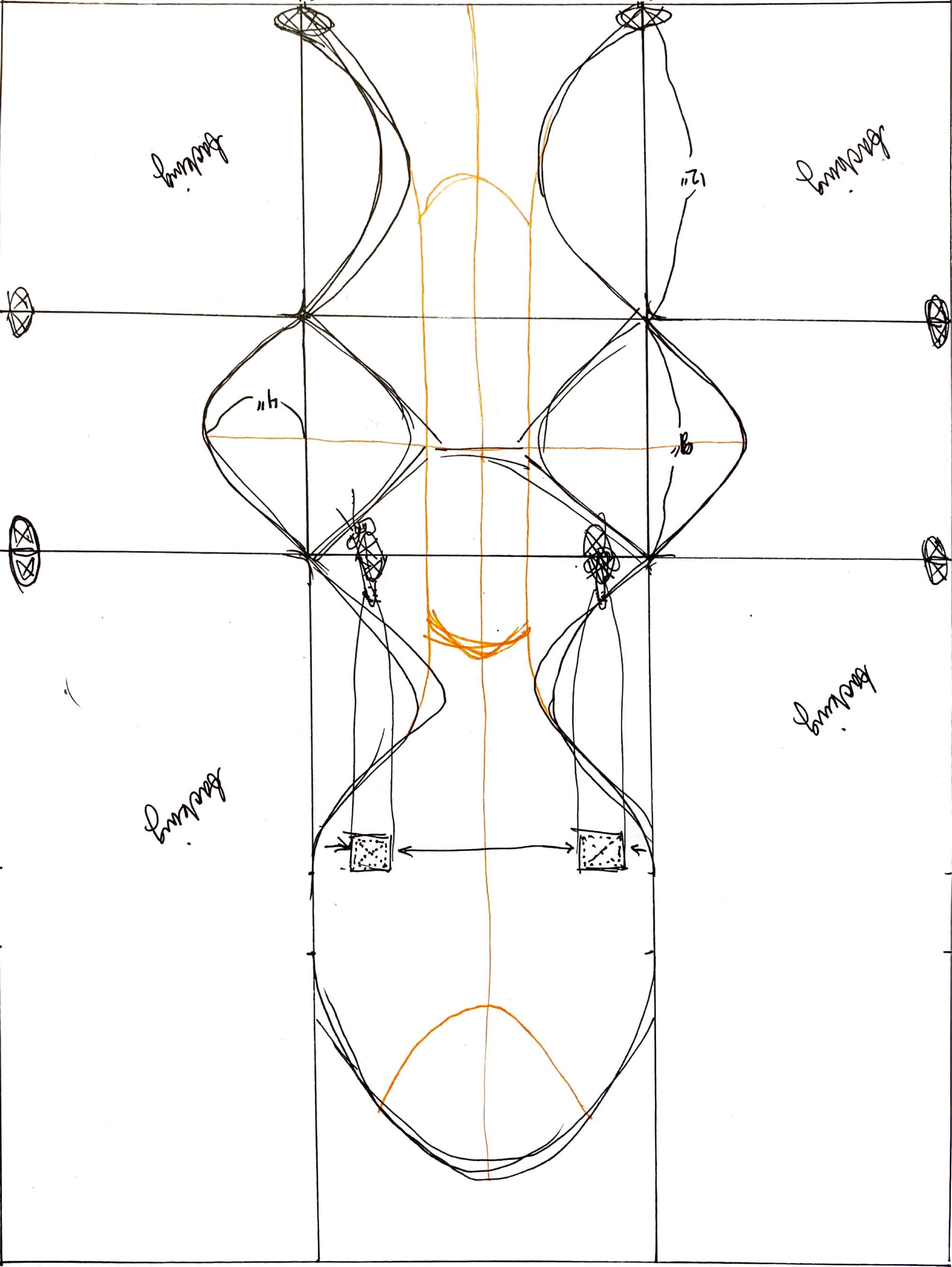
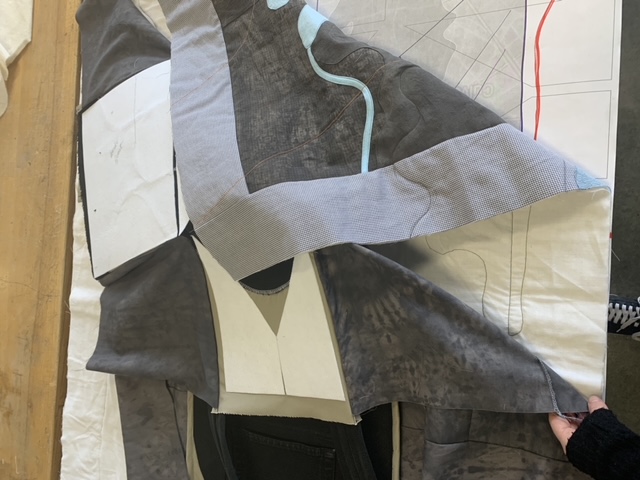
began as a sketch and a re-used printer paper model.
The traditionally feminine arts, as exemplified by the quilters of Gee’s Bend, AL, and indigenous practices, like the Pigeon family weaving baskets, as told by Robin Wall Kimmerer in Braiding Sweetgrass, share long histories of making as an act of love for fellow humans and nonhumans alike and uphold ethics of respect for the materials they work with, whether they are the backs of old blue jeans or splinters of wood from black ash trees.
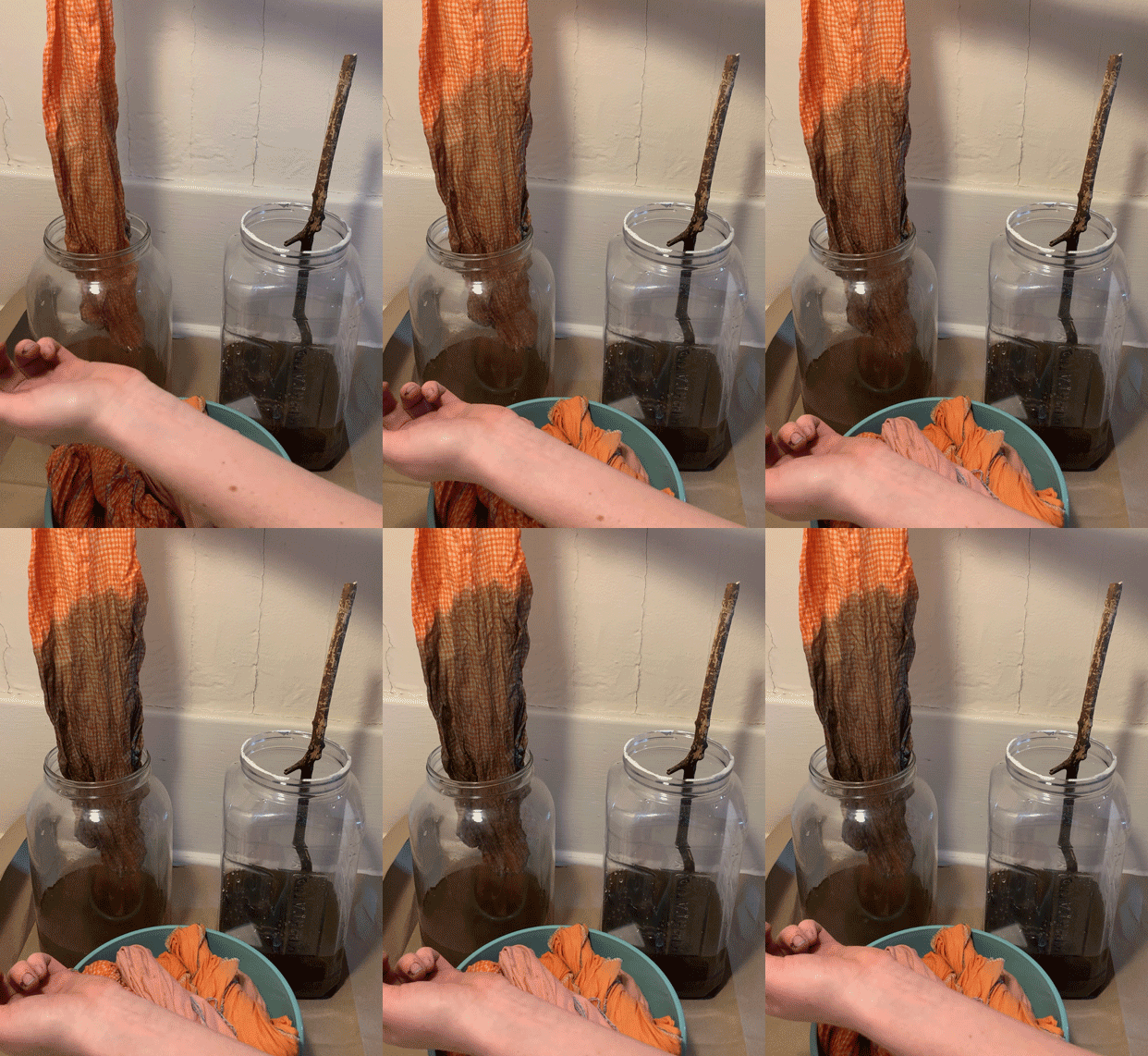
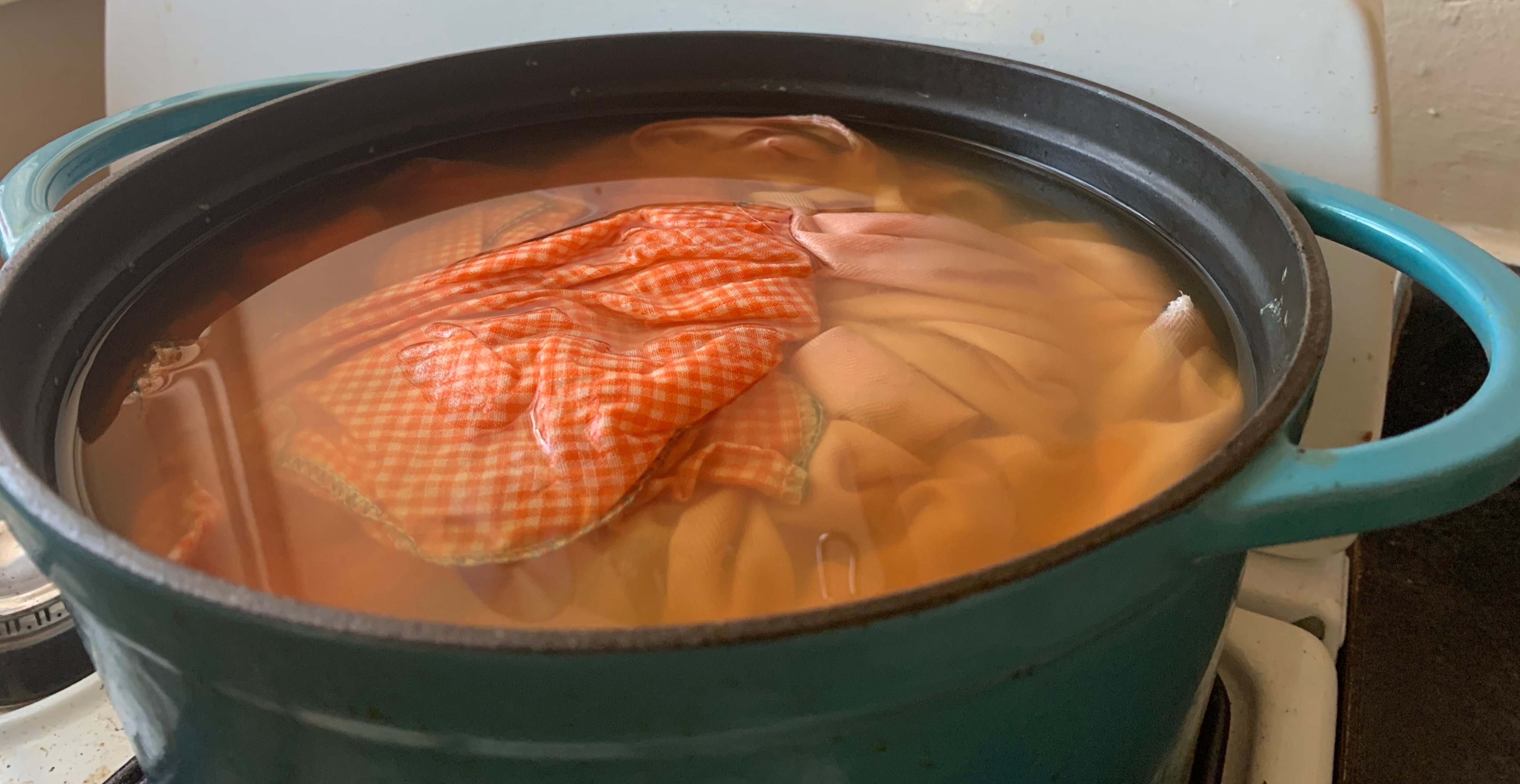
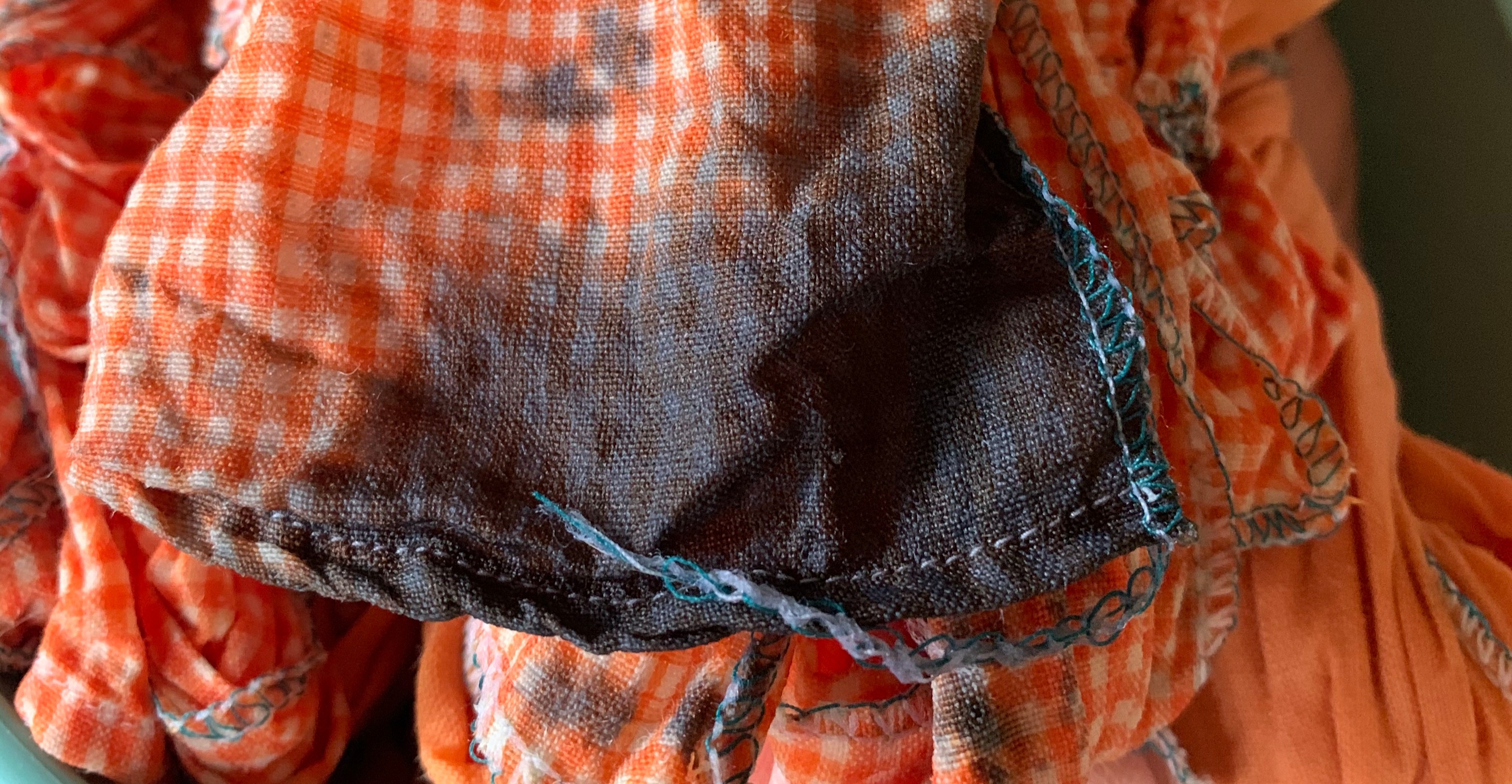
The quilt is stitched from repurposed linen and cotton. The originally orange and pink swaths were naturally dyed by a chemical reaction between the tannins in the pomegranate skins and the iron in a rust solution (made with vinegar and steel wool).
Carina’s story demonstrates different levels and scales of technological “advancement,” from the most basic tools to extend the body’s capacities, to computerized machinery, to massive infrastructure. The global garment making industry as it has been built by the imperialist, white-supremacist, capitalist patriarchy utilizes technology to the nth degree, driven by the pursuit of unceasing production, resulting in massive amounts of resource over-extraction, wage theft, and waste. This story asks us to consider the sentiments that beget certain technologies and implores us to reject extractionist ones in favor of tools that relink our practices of making to the ecological web of response-ability, to borrow Donna Haraway’s term.
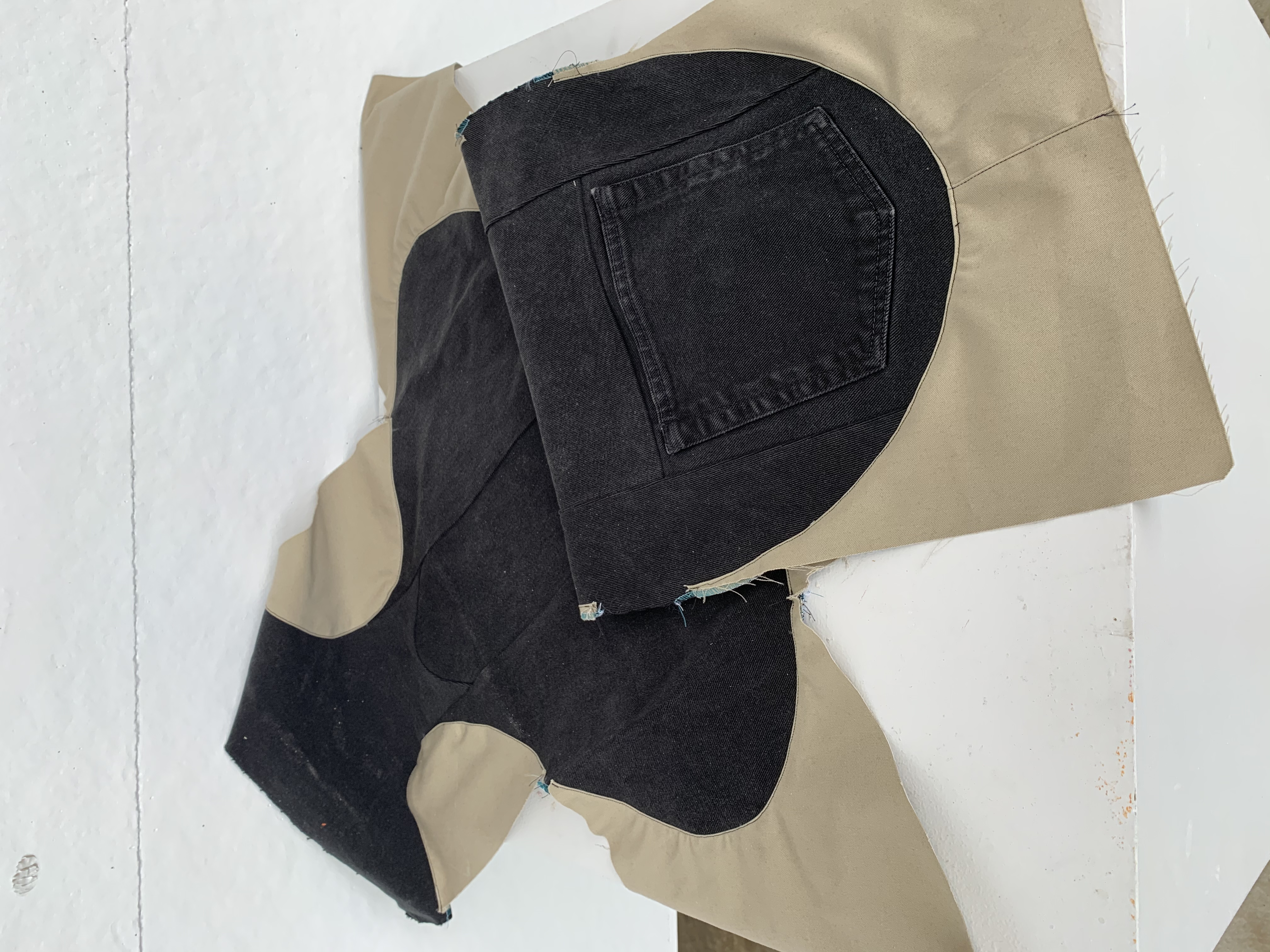
The outer shell is stitched of gabardine and denim where more reinforcement is necessary. A drawstring cinches up the rectangular quilt into a three dimensional vessel.
Both Haraway and Ursula K LeGuin warn of an unwavering faith in salvation by technology, but LeGuin first makes note: “Technology is the clothes we’re wearing. The theater we’re in. Technology is what human beings do with the world.” Carina’s floating spinning jenny, inspired by a machine originally invented out of care for an overworked daughter, links her work directly to the landscape around her, with a built-in failsafe that halts the contraption if the ecological balance around gets thrown off. Without romanticizing a tech-free past (how far back would you have to go?) or glorifying tech as savior, her machine embodies the entanglement between her and her environment.
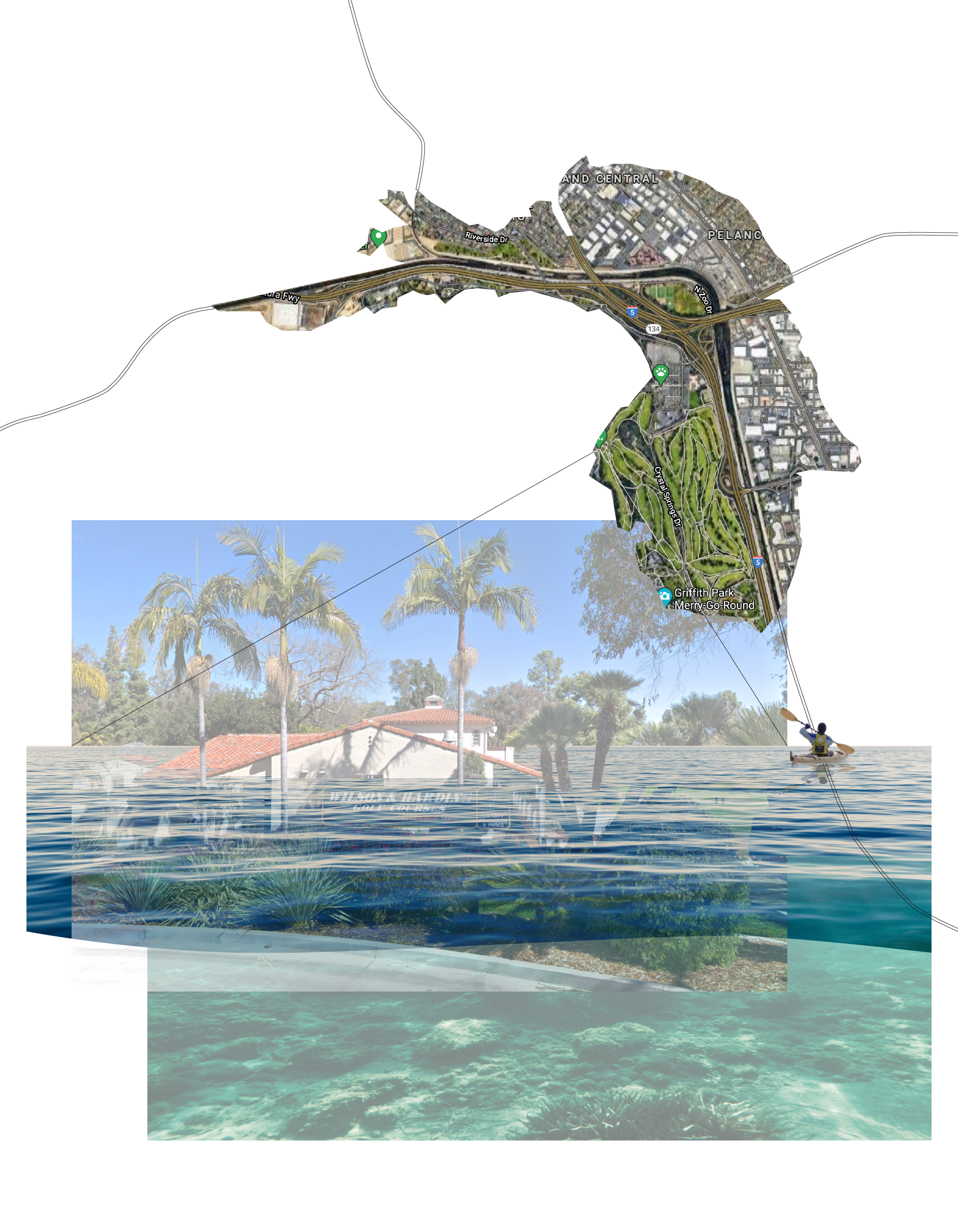
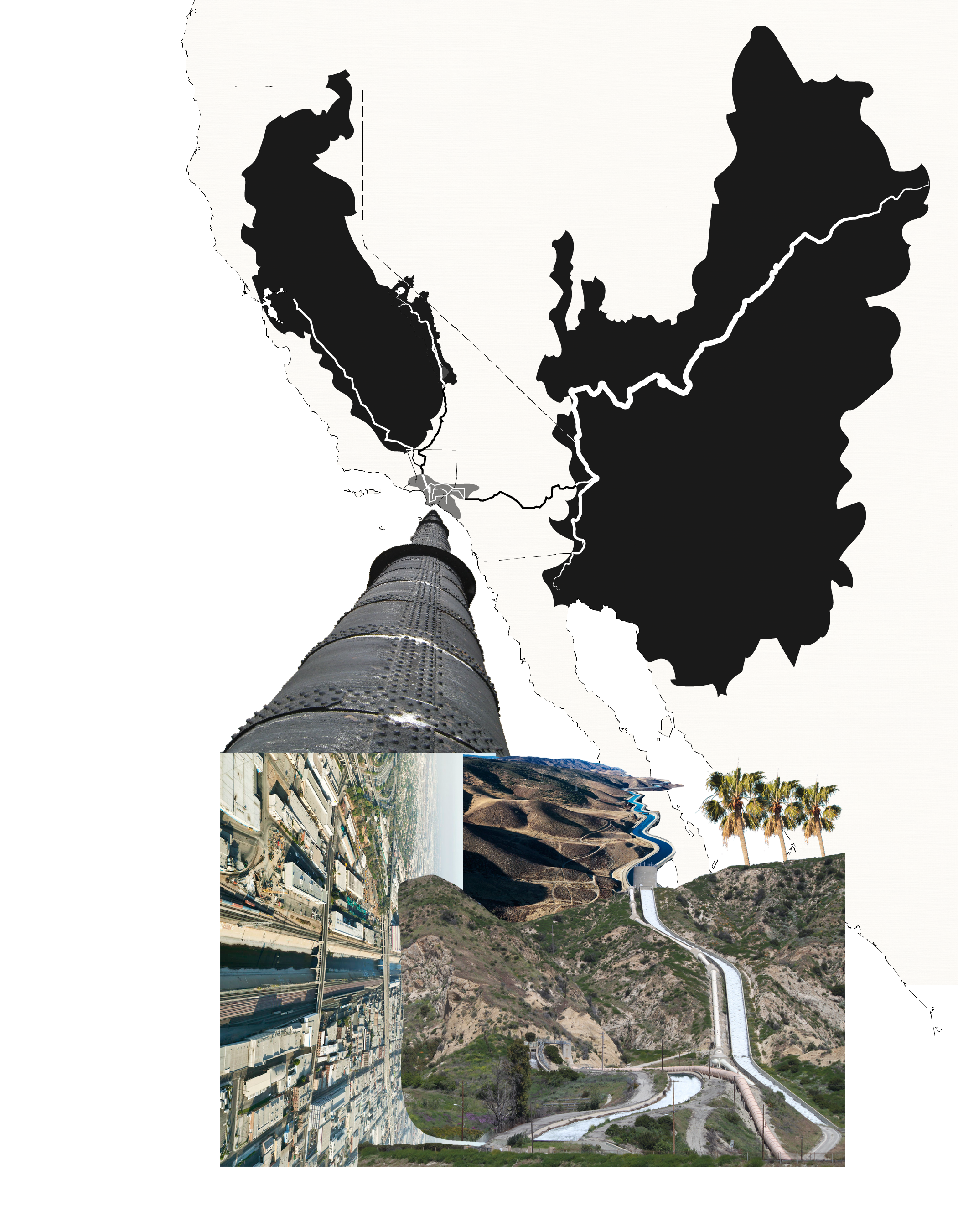
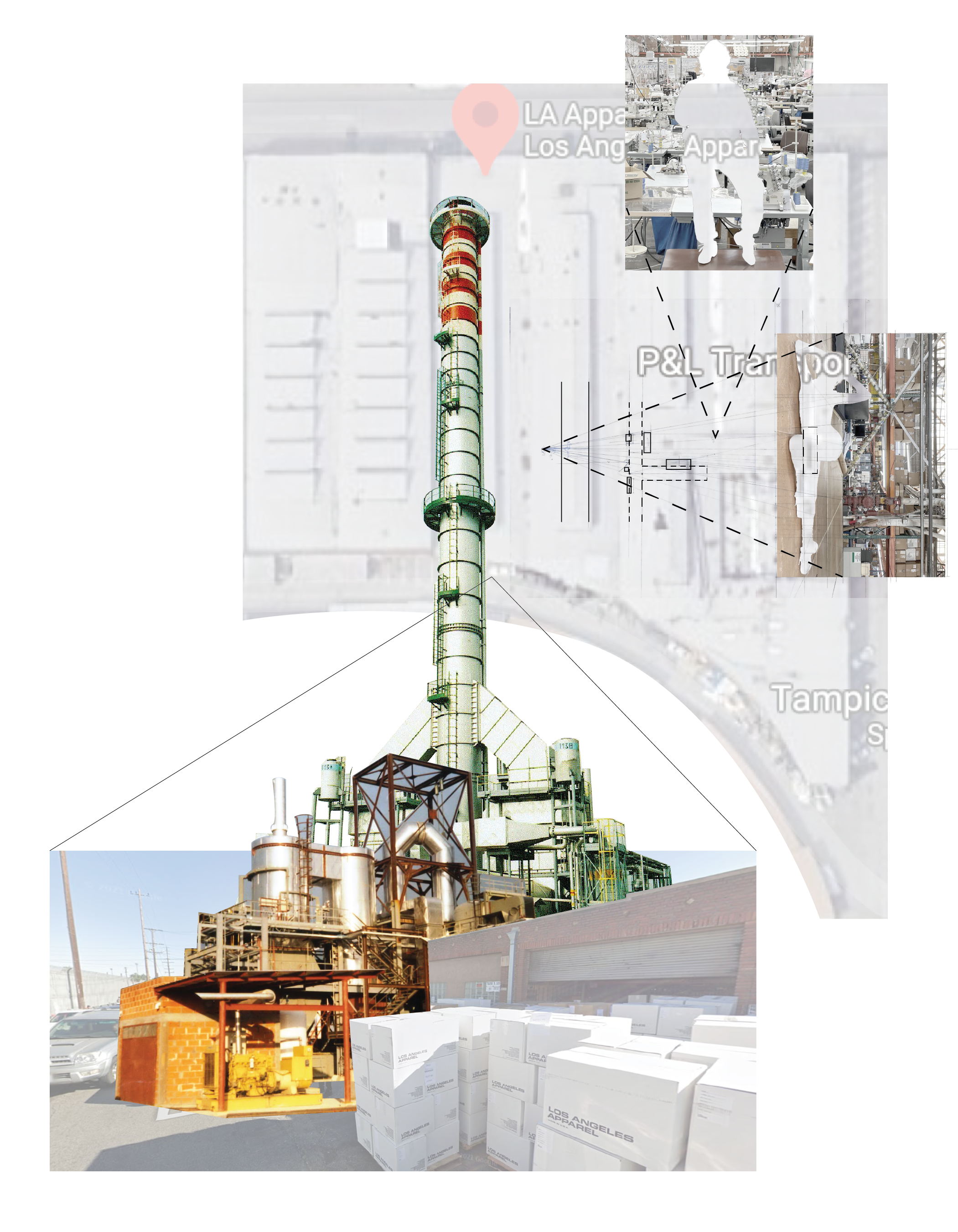
In order from left to right: the flooded-out golf course (fictional), the extensive aqueduct systems supplying water to LA from watersheds hundreds of miles away (non-fiction!) and the incinerator installed out back of the Los Angeles Apparel factory (fictional)
Special thanks to Meghan Corbett and Natalie Stenman for their voiceover and modeling contributions, respectively.
(Below) The bag unfurling. The pages in the video at center depict the quilt folding up.
03 mo. winter 2021